
A little preparation goes a long way in helping a child adjust smoothly to ABA therapy for autism once treatment begins. While therapists handle most of the adjustment process professionally, families can still play a meaningful supporting role before and during those early sessions.
Riley ABA and Autism Center designs its environment to feel welcoming rather than intimidating, but a child’s home preparation still shapes how quickly they settle into this new, unfamiliar routine comfortably.
How Should Families Talk About Therapy Beforehand?
Explaining therapy in simple, positive terms beforehand helps set realistic expectations for a child, even one with limited verbal communication. Framing the center as a place with fun activities and friendly helpers tends to work better than overly clinical explanations.
What Kind Of Language Works Best?
Simple phrases describing specific enjoyable activities, like painting or games, tend to resonate more than abstract explanations about therapy or treatment goals that a young child cannot fully grasp or find meaningful yet.
Should Families Visit The Center Beforehand?
Visiting the center ahead of a first official session, when possible, can help reduce anxiety significantly for both children and parents alike. Familiarizing a child with the physical space before regular sessions begin often smooths that critical first transition considerably.
What Should Families Look For During A Visit?
During a visit, families can pay attention to how staff interact with children already present, how organized and welcoming the space feels, and whether their own child seems curious rather than distressed by the new environment.
How Can Families Support The Assessment Process?
Since standardized assessments and clinical observation shape a child’s entire treatment plan, providing therapists with honest, detailed background information during intake genuinely improves the accuracy of that initial assessment considerably.
Sharing specific details about a child’s daily routines, known triggers, favorite activities, and current communication abilities gives the team a fuller picture faster than relying purely on observation alone during limited assessment sessions.
What Routines Help During The Early Weeks?
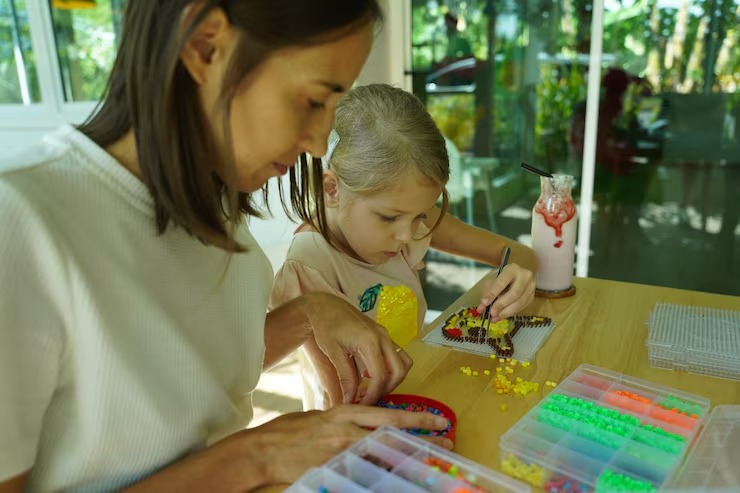
Maintaining consistent sleep, meal, and daily routines at home during the early weeks of treatment helps a child manage the additional adjustment of starting something new. Excessive disruption elsewhere can make settling into therapy considerably more difficult.
Why Does Routine Consistency Matter So Much Right Now?
Children with autism often rely heavily on predictability to feel secure, so introducing one major change, starting therapy, works best when everything else in daily life stays as stable and familiar as reasonably possible during that transition period.
How Should Families Handle Early Resistance?
Some resistance during the first few sessions is completely normal and should not immediately alarm parents. Autism behavioral therapy Kansas City professionals are trained specifically to handle this adjustment period patiently, gradually building comfort and rapport rather than forcing immediate compliance.
Staying calm and consistent at home during this adjustment period, rather than showing visible anxiety about the resistance, generally helps a child settle in faster than parents might initially expect.
Final Thoughts
Preparation does not need to be elaborate to make a meaningful difference. Simple, honest conversations, an optional early visit, and consistent routines at home all support a smoother transition into treatment for most children starting this journey.
Families should feel free to ask the treatment team directly for specific preparation tips suited to their own child’s particular temperament and needs.
FAQs
Should parents visit the center before the first session?
It can help, when possible, to reduce anxiety for both the child and parents.
Is early resistance to therapy normal?
Yes, mild resistance during the first few sessions is common and expected.
How can families help the assessment process go smoothly?
By sharing honest, detailed information about routines, triggers, and communication abilities.