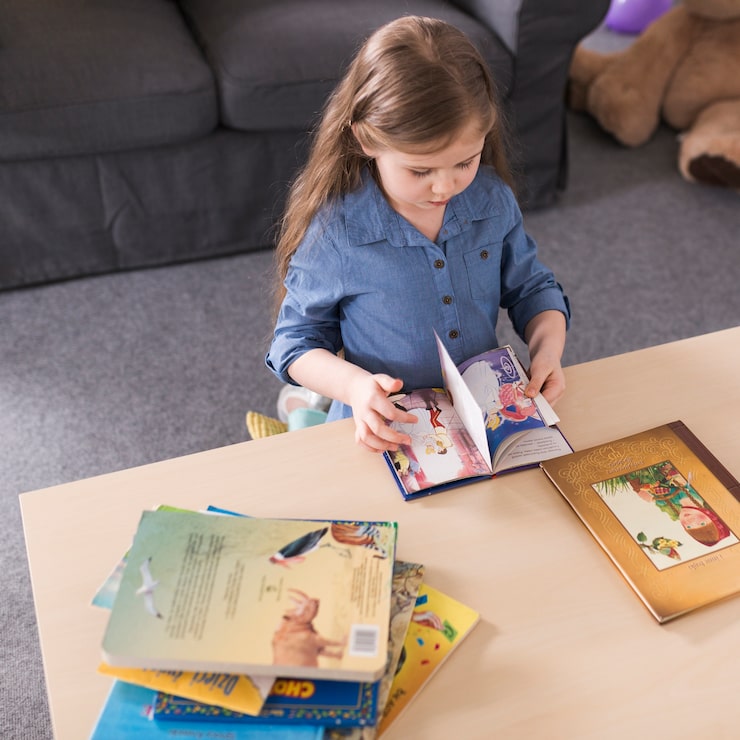
In an era defined by educational technology, structured tutoring programs, and an almost endless array of learning apps, it can be easy to overlook one of the most consistently effective tools in the developmental toolkit. Children’s books have been building young minds for centuries, and the science behind why they work so well has never been more solid. From building vocabulary and comprehension to fostering empathy and curiosity, books offer a richness of learning that few other resources can match. And unlike many educational tools, a great children’s book does not require a subscription, a device, or an internet connection. It simply requires a reader willing to turn the first page.
The Vocabulary Gap and Why Books Help Close It
Research has long documented a significant vocabulary gap between children from different socioeconomic backgrounds, and this gap has profound effects on academic outcomes. One of the most effective ways to close this gap is consistent exposure to books. Studies show that books expose children to rare words, words that appear infrequently in spoken conversation, at dramatically higher rates than any other common input. Children who grow up reading develop not only larger vocabularies but also a deeper understanding of how language works. This linguistic competence underpins performance across every academic subject, from reading comprehension to writing to scientific reasoning.
Developing Empathy Through Story
One of the most overlooked benefits of children’s books is their role in developing empathy. When a child spends time inside the perspective of a character whose life is different from their own, they practice a fundamental human skill: understanding someone else’s experience from the inside. Research in psychology suggests that regular fiction reading is associated with greater empathy and social sensitivity in both children and adults. For families raising children in diverse communities, or simply preparing them to navigate a complex and interconnected world, books that represent a wide range of human experiences are not just nice to have. They are essential developmental resources.
Making the Most of Your Home Library
Building a home library does not have to be expensive or overwhelming. Starting with a small, curated collection of high-quality titles across different genres is more effective than accumulating a large number of mediocre books. A mix of narrative fiction, nonfiction, poetry, and reference works gives children a diverse literary diet that supports different kinds of thinking. Rotating books regularly keeps the selection fresh and combats the common problem of a child who has outgrown their books but not yet found new ones to love. Parents seeking trusted recommendations can explore resources like children’s books, which curates quality titles across age groups and reading levels.
The Long View: Books as a Lifelong Investment
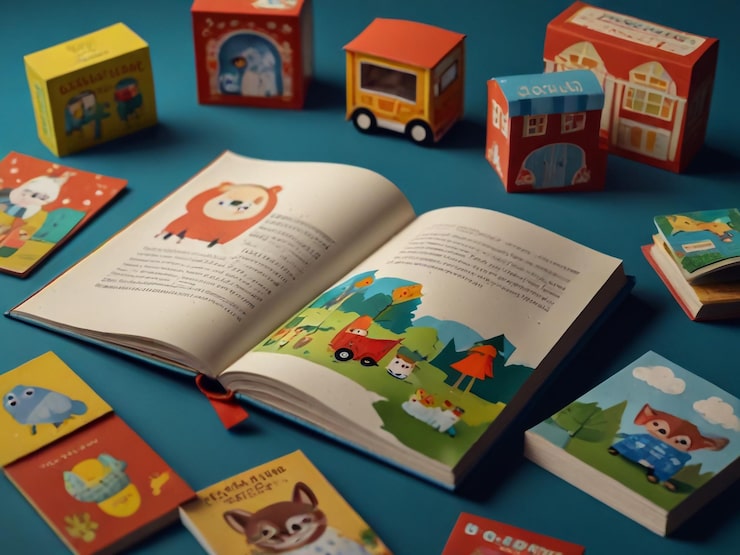
The returns on a childhood rich in books compound over time. Strong readers tend to become stronger learners in every domain. The habits of mind developed through reading, sustained attention, critical analysis, empathetic perspective-taking, and independent inquiry, serve people across every field and phase of life. The child who fell in love with science through a beautifully illustrated nonfiction book at age seven may become the engineer, doctor, or researcher who solves problems the world has not yet imagined. The investment in books made early pays dividends in ways that are genuinely difficult to overstate.
Conclusion
For parents thinking carefully about how to support their child’s development, the answer is rarely as simple or as satisfying as children’s books. In a world of complex, expensive, and often overhyped educational solutions, books remain the most time-tested, research-supported, and emotionally resonant tool available. The best education often begins with a great story and a willing reader.