The Rising Influence of wood products manufacturers in Sustainable Living
In today’s fastmoving construction and interior design industries, the quiet strength of natural materials is making a bold comeback. At the heart of this movement are wood products manufacturers, the skilled innovators who transform raw timber into functional, beautiful, and sustainable solutions. From engineered beams that support skyscrapers to delicately finished cabinetry that warms up a kitchen space, these manufacturers bridge the gap between nature and modern living.
Wood has always carried a timeless appeal. Its organic textures, earthy aroma, and natural durability give it an advantage that synthetic materials struggle to replicate. Yet what truly sets today’s manufacturers apart is their ability to combine traditional craftsmanship with advanced technology. Computer guided cutting systems, precision drying processes, and coconscious sourcing have elevated wood from a basic building material to a premium design choice.
The renewed interest in sustainable architecture has also amplified their role. Consumers are increasingly asking where materials come from and how they are processed. Responsible forestry, certified supply chains, and minimal waste production are no longer optional they are expectations. As a result, manufacturers are innovating not just in design but in environmental stewardship.
How Innovation is Reshaping Wood Manufacturing
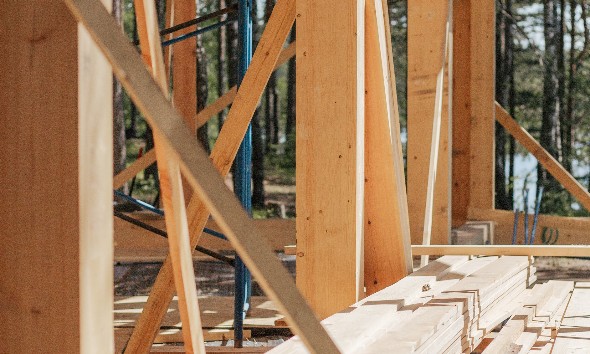
The wood industry has undergone a remarkable transformation over the past two decades. Modern facilities now rely on automation, data analytics, and engineered wood technology to improve both performance and efficiency. Engineered wood products like cross laminated timber (CLT) and laminated veneer lumber (LVL) have revolutionized structural applications. These materials are not only strong but also lightweight and adaptable.
Digital fabrication allows manufacturers to customize dimensions and finishes with extraordinary precision. This means architects and builders can push creative boundaries without sacrificing structural integrity. Whether it’s curved wooden facades or seamless modular flooring, innovation is redefining what wood can accomplish.
At the same time, manufacturers are investing heavily in sustainability initiatives. Many facilities now recycle sawdust and wood scraps into pellets, composite boards, or biomass energy. This circular approach reduces waste while maximizing resource efficiency. A single log can serve multiple purposes, ensuring that nothing valuable is discarded unnecessarily.
The benefits of this transformation extend beyond construction. Interior designers, furniture makers, and even packaging companies rely on modern wood production for consistent quality and reliable supply. The material’s adaptability allows it to be used in countless applications, including:
- Structural framing, flooring systems, cabinetry, decorative panels, and custom millwork.
Each application showcases the versatility that has kept wood relevant for centuries.
Why Quality and Craftsmanship Still Matter
While technology has enhanced production speed and precision, craftsmanship remains the soul of the industry. Skilled professionals understand grain patterns, moisture behavior, and finishing techniques in ways machines cannot fully replicate. Their expertise ensures that each product maintains structural stability and aesthetic beauty over time.
Quality control is another defining factor. Moisture content must be carefully managed to prevent warping or cracking. Surface treatments need to enhance durability without masking the natural character of the material. Reputable manufacturers invest in rigorous testing to meet safety standards and performance benchmarks.
Customer expectations are also evolving. Homeowners and developers want materials that tell a story about products that feel authentic and responsibly sourced. Transparency in harvesting practices, treatment methods, and environmental impact builds trust and strengthens brand loyalty.
Moreover, the emotional connection to wood plays a powerful role in its continued popularity. Unlike cold metals or artificial composites, wood creates warmth and comfort. It softens modern interiors and adds texture to minimalist designs. In commercial spaces, it introduces a welcoming atmosphere that improves the overall user experience.

The Future of Wood in a Sustainable World
As global conversations about climate change intensify, renewable materials are gaining strategic importance. Wood, when harvested responsibly, acts as a carbon sink, storing carbon dioxide throughout its lifespan. This makes it a compelling alternative to carbon intensive materials like concrete and steel.
Manufacturers are actively researching new treatments that enhance fire resistance and longevity, expanding wood potential in largescale projects. Urban planners are increasingly considering timber-based construction as part of sustainable city development strategies.
Looking ahead, collaboration between designers, engineers, and manufacturers will shape the next generation of wooden innovations. From smart homes to ecofriendly office complexes, wood is poised to remain at the forefront of material design.
Conclusion
The evolution of wood products manufacturers is a story of balance between tradition and technology, artistry and efficiency, nature and innovation. Today’s industry leaders are not simply producing materials; they are shaping sustainable futures. By combining responsible sourcing, advanced engineering, and timeless craftsmanship, they ensure that wood continues to enrich our homes, workplaces, and communities.
As we move toward greener building practices and more mindful consumption, wood stands as a symbol of resilience and renewal. Its journey from forest to finished product reflects both human ingenuity and respect for the natural world. And in that harmony lies its enduring strength.